


A Brief History of Clowning Around the World
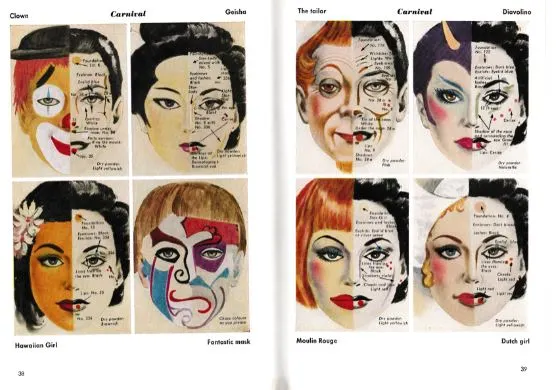
The traditional Circus clown is a performer who works in the circus and uses primarily physical humor to entertain the audience. Often they are seen with colorful clothing, makeup, and wigs. The word clown was adopted in the 16th century and is dervived from the Icelandic word "klunni", which means a clumsy person.
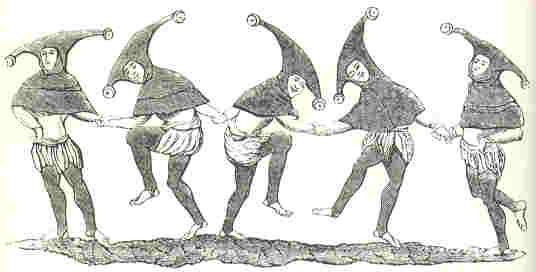
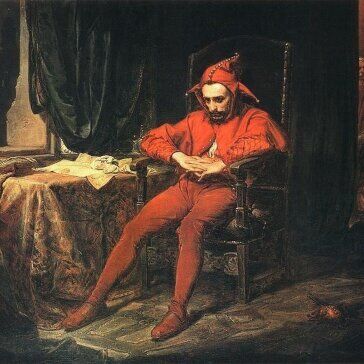
Clowns weren't always exclusive to the circus, though. The first known clowns date from the time of the fifth dynasty of Eygpt. Early clowns were also known to be priests. Ancient Greecian clowns were bald and wore padded clothing, whereas the clowns of Ancient Rome wore large pointed hats. Even Ancient China had clowns that were attached to the Imperial Court. A well known clown named Nasr el-Din existed around 1440 and a cult following has developed around his tall tales. Italy introduced masked characters such as Halequin and Pierrot in the 16th century. Often the job of a clown or jester was to entertain royalty in the earlier centuries, but as the years moved on it became more of a general-public novelty.
The orginal whitefaced clown was created in 1801 by Joseph Grimaldi. Some other famous clowns include Auguste, John Durang and Joe Pentland. One of the most famous circus groups, Cirque du Soleil (Circus of the Sun), was founded on June 16, 1984 in Canada. They are known internationally for they death defying, intricate and emotinally moving performances. Though the form clowns have taken has changed over the years, the purpose and message they have rings true even now. Clowns are performers with a overly-characturized personality and an engaging story to tell.